
Industrial Herbs: Plants That Work Behind the Scenes
When we think of herbs, we often picture basil in a favorite recipe, mint in a glass of tea, or lavender tucked into a fragrant sachet. But herbs have another, less familiar role: they are also useful raw materials in manufacturing and industry.
Plants naturally produce an extraordinary variety of chemical compounds. Some create fragrance, some discourage insects, and others help protect the plant from bacteria, fungi, or environmental stress. For centuries, people have found ways to put many of those same properties to work
From the Garden to Everyday Products
Essential oils and other compounds extracted from herbs can be used in products ranging from cleaners and soaps to fragrances, cosmetics, food products, and natural pest-control products.
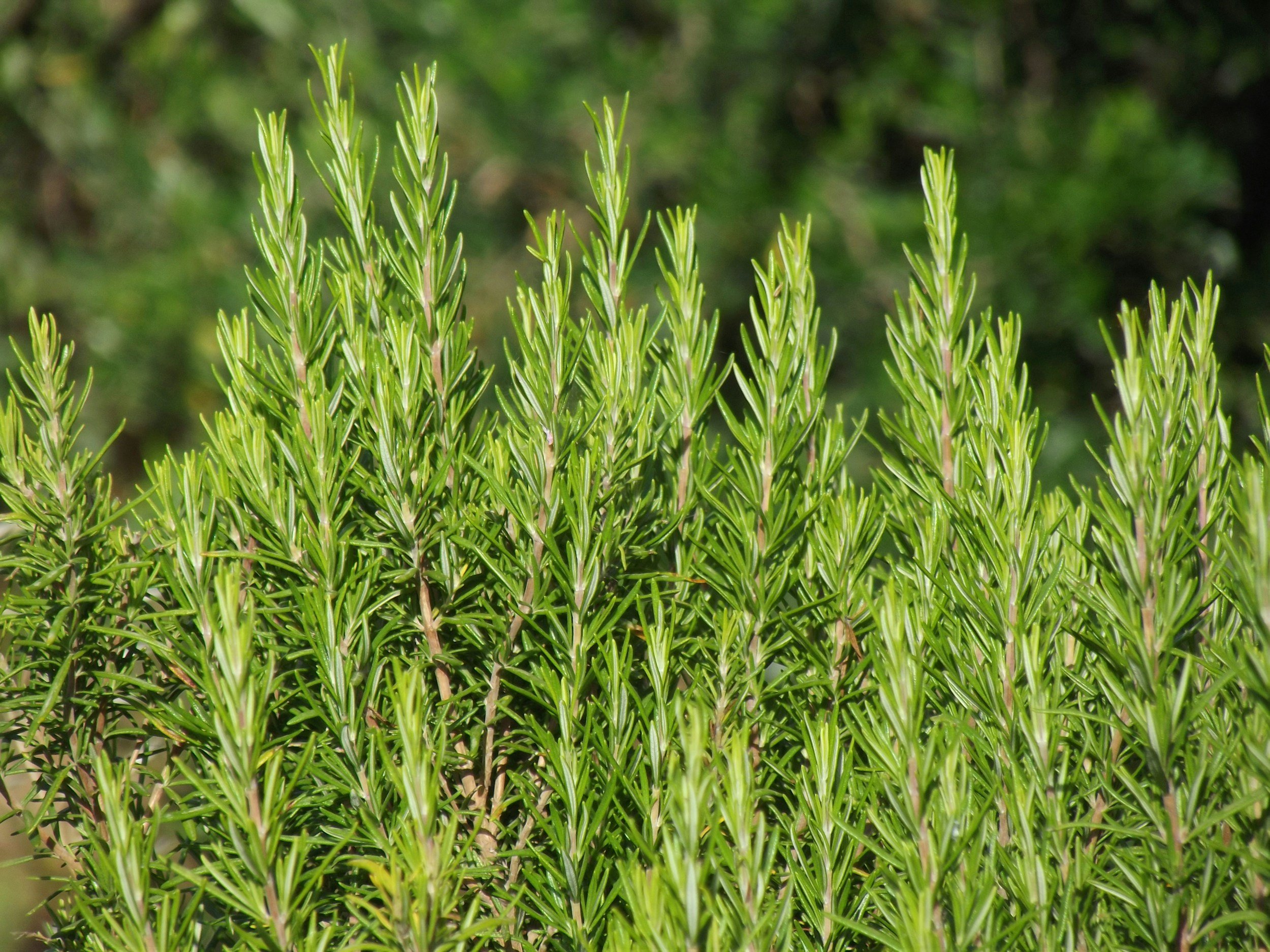
Rosemary, for example, contains antioxidant compounds that can help slow oxidation and are used in some food-preservation applications. Thyme contains thymol, a compound valued for its antimicrobial properties and used in certain disinfecting and cleaning products. Mint provides menthol, widely used for its cooling sensation and distinctive fragrance. And the aromatic oils of plants such as lavender, citronella, and lemongrass have found uses in fragrances, household products, and insect repellents.
Even herbs we think of primarily as culinary plants may have useful properties well beyond the kitchen.
Why Plants Produce These Compounds
Interestingly, plants didn't develop these substances for our benefit.
Many aromatic oils and other compounds are part of a plant's own defense system. They may help discourage insects and other herbivores, inhibit competing organisms, attract pollinators, or protect the plant against disease.
Humans simply learned to recognize those properties, extract the useful compounds, and put them to work.
An Old Idea with New Possibilities
Using plants for practical purposes is hardly new. Long before modern synthetic chemicals existed, people relied on plants for dyes, fragrances, preservatives, insect repellents, cleaning preparations, and countless other necessities.
Today, researchers continue to study plant-derived compounds for potential applications in food preservation, agriculture, manufacturing, packaging, and other industries. Interest is particularly strong in finding effective plant-based alternatives or complements to some synthetic ingredients.
That makes the industrial section of an herb garden a reminder that herbs aren't simply beautiful, fragrant, or flavorful.
Sometimes, they're remarkably hardworking plants.
Growing These Hardworking Herbs
Many herbs valued for industrial uses are also wonderfully suited to the home garden. Rosemary, thyme and lavender flourish in sunny locations with well-drained soil, while mint appreciates a bit more moisture and can spread enthusiastically if left unchecked.
As you explore the Parterre Garden, notice how many of these useful plants are also highly aromatic. Gently rubbing a fallen leaf or brushing against certain herbs can release the essential oils responsible for their characteristic fragrance—some of the very compounds that have made these plants useful far beyond the garden