

Parterre Herb Gardens
Inspired by the formal gardens of Renaissance France, a Parterre Herb Garden brings together beauty, structure, and purpose. Fragrant and culinary herbs are arranged in elegant geometric patterns, bordered by low hedges and pathways that invite visitors to explore up close. It’s a beautiful example of how gardens can be both ornamental and practical.
Herbs:
Small Leaves. Big Flavor
For thousands of years, herbs have played an important role in the kitchen. A handful of basil can transform a bowl of tomatoes, rosemary can give roasted vegetables an entirely different character, and a little thyme can add depth to a soup or stew. Culinary herbs also offer an easy way to make food more flavorful while relying less on salt, added sugar, and fat.
Perhaps best of all, you don't need to be an accomplished cook—or an experienced gardener—to enjoy them. Understanding a few basics about choosing, combining, storing, and cooking with herbs can open up an entirely new world of flavor.
What Makes an Herb an Herb?
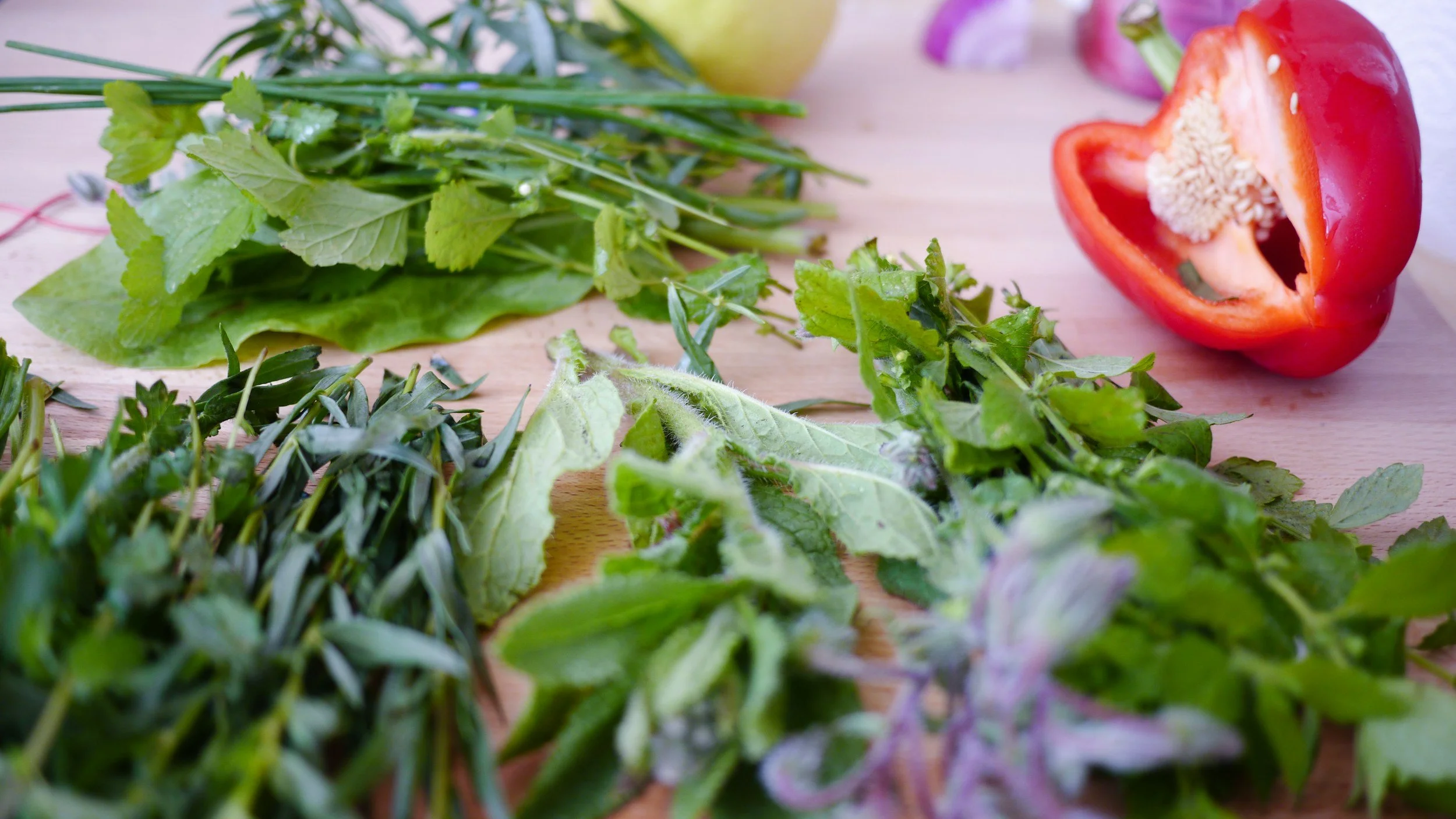
In everyday cooking, the word herb is generally used to describe the leafy parts of aromatic plants used to season food. Basil, parsley, rosemary, thyme, sage, mint, dill, and oregano are familiar examples.
What makes these plants so valuable in the kitchen is their aroma. Herbs contain aromatic compounds that give each plant its distinctive fragrance and flavor. Crushing, tearing, or chopping the leaves releases more of those aromatic compounds—which is why freshly chopped basil smells so much stronger than an untouched leaf. Freshness matters, too: the characteristic aroma of culinary herbs gradually diminishes during storage.
Getting to Know the Classics
A well-stocked herb garden doesn't need dozens of varieties. A small group of versatile herbs can handle an impressive range of dishes.
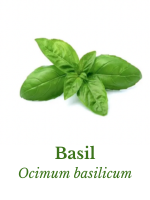
Basil has a sweet, fresh, slightly peppery character and is famously paired with tomatoes. It is equally at home in pesto, pasta, vegetables, salads, and many Southeast Asian dishes.
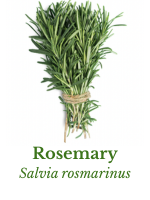
Rosemary is considerably stronger. Its pine-like fragrance stands up beautifully to roasting and slow cooking. Try it with potatoes, chicken, pork, lamb, soups, or roasted vegetables.
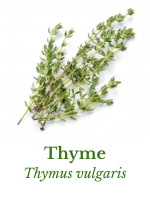
Thyme is subtler and earthy. It works particularly well with poultry, eggs, potatoes, tomatoes, squash, beans, soups, and stews.
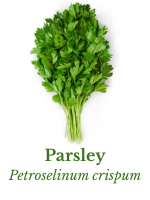
Parsley is sometimes dismissed as a garnish, but it deserves more attention. Its clean, fresh flavor can brighten rich dishes and complements vegetables, potatoes, eggs, grains, soups, and sauces.
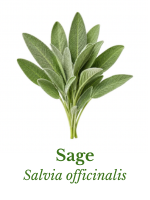
Sage is warm, earthy, and assertive. A small amount goes a long way, particularly with poultry, pork, winter squash, beans, and savory stuffing.
Other useful herbs include dill, chives, mint, cilantro, oregano, and tarragon. Rather than buying everything at once, start with two or three herbs you genuinely enjoy and learn how they behave in different foods.
Grow a Little Flavor at Home
One of the pleasures of culinary herbs is that many are surprisingly easy to grow. You don’t need a large garden, either. A sunny patio, porch, balcony, or a few well-placed containers can provide fresh herbs throughout much of the growing season.
Most culinary herbs appreciate plenty of sunlight and well-drained soil, but their needs aren’t identical. Mediterranean herbs such as rosemary, thyme, oregano, and sage generally prefer sunny conditions and soil that isn’t kept constantly wet. Basil also loves warmth and sunshine but appreciates more consistent moisture. Parsley, chives, and mint can tolerate somewhat less sun.
Containers are an excellent choice for herbs because they make it easier to control soil and moisture. They’re particularly useful for mint, which spreads enthusiastically and can quickly wander beyond its allotted space in a garden bed.
Regular harvesting can also help many herbs remain productive. Pinching basil just above a pair of leaves encourages branching and a fuller plant, while frequently snipping herbs such as parsley and chives encourages new growth. Harvesting herbs before they become heavily flowered can also help preserve the tender leaves and flavors we prize in the kitchen.
And don’t overlook the simple pleasure of growing herbs. Brushing against rosemary, rubbing a mint leaf between your fingers, or picking basil just before dinner creates a wonderful connection between the garden and the kitchen.
Fresh or Dried? Both Have a Place
Fresh and dried herbs aren't necessarily interchangeable in character. Drying concentrates and changes the flavor of many herbs, which is why dried herbs are generally used in smaller quantities.
A useful rule of thumb is:
1 tablespoon fresh herbs ≈ 1 teaspoon dried herbs.
In other words, when substituting fresh herbs for dried, use roughly three times as much. Cooperative Extension
Fresh herbs are particularly appealing when their bright flavor is part of the finished dish—think basil scattered over tomatoes or parsley added just before serving. Dried herbs can be excellent in soups, sauces, braises, and other dishes where the herb has time to mingle with the other ingredients.
Timing Makes a Difference
One of the easiest ways to improve your cooking with herbs is simply to know when to add them.
Tender herbs such as basil, parsley, cilantro, dill, chives, and mint can lose much of their distinctive aroma during prolonged cooking. Add them near the end of cooking or sprinkle them over the finished dish.
Sturdier herbs such as rosemary, thyme, sage, and oregano tolerate longer cooking and can be added earlier, allowing their flavors to develop throughout the dish.
There’s also no prize for using the most herbs. Strong varieties such as rosemary and sage can easily dominate other flavors. One assertive herb accompanied by one or two milder herbs is often more successful than a complicated mixture.
When in doubt, start with less. You can always add more.
Herbs Can Help Make Healthy Food Taste Better
Herbs aren’t magic health ingredients, but they can play a very practical role in healthier eating: they make flavorful food possible without depending as heavily on salt, sugar, or added fat.
Instead of simply removing salt from a favorite recipe—which can leave food tasting flat—try replacing some of the missing flavor with herbs, garlic, citrus, vinegar, or spices.
Rosemary and thyme can enliven roasted vegetables. Basil can transform fresh tomatoes. Dill pairs beautifully with fish. Chives can add flavor to potatoes without requiring a heavy sauce. Mint can bring freshness to fruit, vegetables, grains, and even a glass of water or iced tea.
It’s an important lesson in cooking well: healthy food doesn’t have to mean bland food.
Treat Fresh Herbs Like Fresh Produce
Fresh herbs are just that—fresh produce—and should be handled accordingly. Wash them under cool running water and gently dry them before using.
For many cut herbs, trimming the stems and placing them in a glass with a little water can help maintain freshness. Some can then be loosely covered and refrigerated.
Basil is a notable exception. Because basil is sensitive to cold, it often fares better at room temperature with its stems in water rather than tucked into a cold refrigerator.
If you have more fresh herbs than you can use, freezing is another option. Chopped herbs can be frozen in small portions for later use in soups, sauces, stews, and other cooked dishes.
Dried herbs prefer almost the opposite environment: keep them cool, dry, dark, and tightly covered. Heat, moisture, light, and time gradually diminish their aroma and flavor. If you open a jar and can barely smell the herb inside, it may be time to replace it.
The Best Way to Learn? Taste.
Instead of memorizing dozens of rules, experiment.
Take something familiar—roasted potatoes, scrambled eggs, grilled chicken, tomatoes, or summer vegetables—and prepare it several times using a different herb. Try potatoes with rosemary one evening and thyme or chives another. Pair tomatoes with basil one day and parsley or oregano the next.
Taste the food before adding the herb, and then taste it again afterward.
You’ll begin to recognize what each herb contributes: rosemary’s intensity, basil’s sweetness, thyme’s earthiness, parsley’s freshness, sage’s warmth, and mint’s brightness. Eventually, you may find yourself thinking less about following a recipe exactly and more about building flavor.
And that may be the greatest value of culinary herbs. They can make a very simple meal feel interesting and intentional—with little more than a few leaves from the garden, windowsill, or market.