
Commercial Herbs: From Garden to Everyday Products
Walk through an herb garden and your senses immediately go to work. Brush against lavender and its fragrance lingers. Crush a mint leaf and its unmistakable scent is released. Rub rosemary between your fingers and its aromatic oils become instantly apparent.
Those qualities that make herbs so enjoyable in the garden have also made them valuable ingredients in products we use every day.
From perfumes and soaps to cosmetics, household products and natural dyes, herbs have long provided fragrance, color and other useful plant-based ingredients. Today, their leaves, flowers, seeds and essential oils continue to find their way into an enormous variety of commercial products.
The Power of Essential Oils
Much of an herb's characteristic fragrance comes from essential oils—concentrated aromatic compounds produced naturally by the plant.
Depending on the plant, these oils may be found in its leaves, flowers, stems, seeds or other parts. They can be extracted and incorporated into perfumes, soaps, lotions, cosmetics, candles and household products.
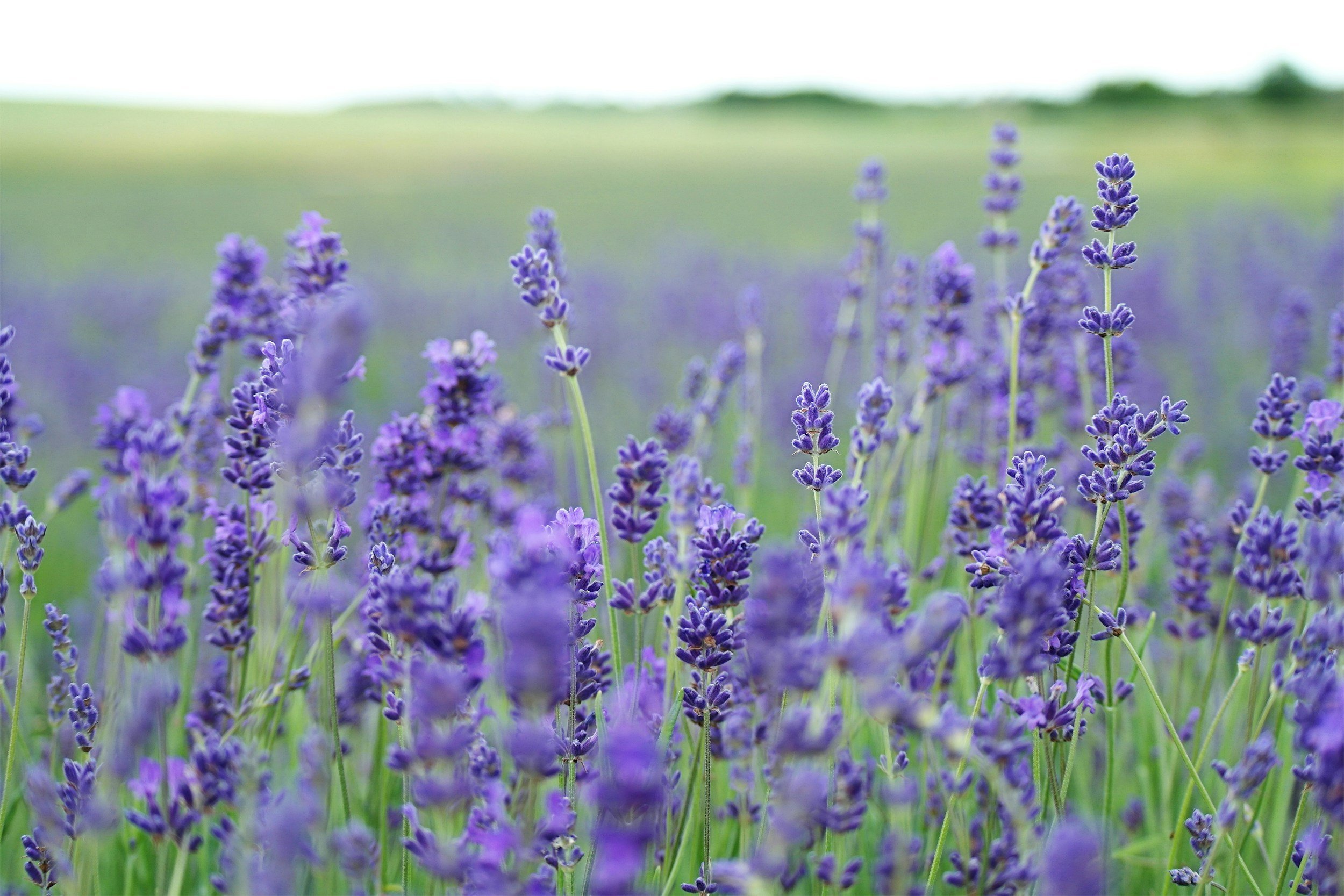
Lavender is prized for its distinctive floral fragrance. Peppermint provides the crisp, cooling aroma of menthol. Rosemary offers a fresh, herbaceous scent, while lemon-scented herbs contribute bright citrus notes.
The fragrance you notice while walking through an herb garden is, in many cases, the same quality that makes the plant commercially valuable.
More Than Fragrance
Herbs contribute more than appealing scents.
Plant materials have traditionally been used to produce natural dyes and pigments, while herbal extracts and essential oils may be incorporated into skin-care products, soaps and cleaning products. Certain aromatic plants are also used in insect-repellent products.
Sometimes the herb itself is recognizable in the finished product. Other times, a particular oil or compound has been extracted, refined or combined with other ingredients until its garden origins are far less obvious.
Either way, the journey begins with a plant.
Why Are Herbs So Aromatic?
Those wonderful fragrances weren't created for our perfumes and soaps.
Plants produce aromatic compounds for their own purposes. Depending on the species, these chemicals can help attract pollinators, discourage insects or grazing animals, communicate with other organisms, or provide protection from environmental threats.
Humans discovered those natural properties and found ways to use them—turning botanical adaptations into ingredients with practical and commercial value.
Growing Fragrance in the Garden
Many herbs valued commercially are also rewarding garden plants.
Lavender, rosemary and thyme generally appreciate plenty of sunlight and well-drained soil. Mint prefers more moisture and has a vigorous spreading habit, which is why gardeners often give it room to roam or grow it in containers.
Growing aromatic herbs also offers an opportunity to experience their chemistry firsthand. Gently rub a leaf of rosemary or mint between your fingers and notice how quickly its fragrance intensifies. You're releasing some of the volatile aromatic compounds stored within the plant.
As you explore the Parterre Garden, take time to notice not only what these plants look like, but also their textures and fragrances. The qualities that make them beautiful additions to a garden are often the same qualities that have made them useful far beyond it.
From Plant to Product
The next time you encounter the scent of lavender in a soap, peppermint in a personal-care product or rosemary in a scented household product, consider where that fragrance began.
Long before it became an ingredient, it was part of a living plant.